Lars Keller · 25 October 2026
Educators in Sibley Merge Digitized Historical Collections into Revised Teaching Materials
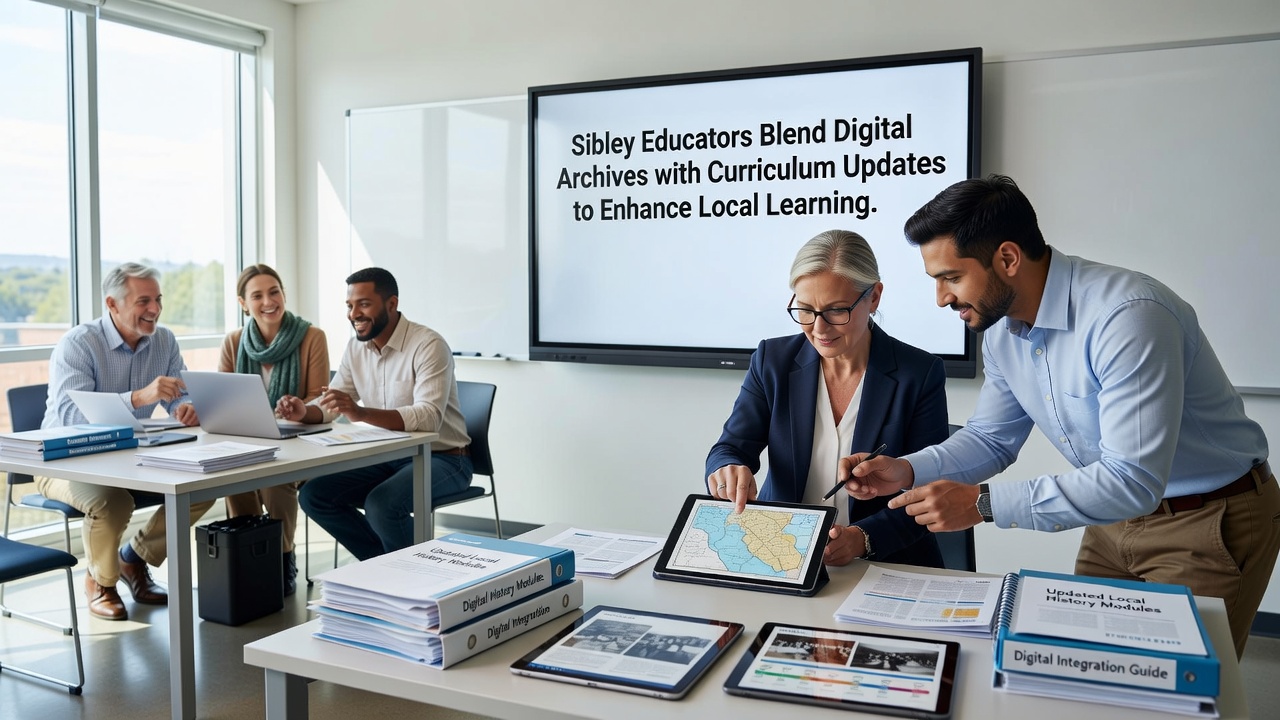
Teachers across Sibley have started incorporating digitized historical collections into updated lesson plans, and this approach connects local records with current classroom needs, while data from district reports shows increased student participation in history units during the 2025-2026 school year. The process began with partnerships between school staff and local archive managers who scanned settler-era documents, farm ledgers, and community photographs that span more than a century.
Updates to the curriculum include modules on regional development that draw directly from these records, so students examine primary sources rather than relying solely on textbooks, and October 2026 marks the rollout of new units focused on infrastructure changes that align with ongoing town planning sessions. District administrators note that alignment with state standards requires careful mapping of archive content to learning objectives, which has prompted workshops where instructors test sample lessons before full implementation.
Archive Digitization Supports Classroom Integration
Local education teams worked with technology specialists to build searchable databases that allow quick access to materials during class time, and these systems categorize items by theme such as agriculture shifts, transportation routes, and community events. Teachers report that students respond positively when lessons reference specific documents tied to Sibley addresses or family names, which creates personal connections without altering core subject requirements.
Training sessions held throughout 2025 covered metadata tagging and copyright considerations for public domain items, while software tools from national repositories help verify source accuracy before classroom use. One group of middle school instructors developed a unit on land use patterns that pulls from digitized plat maps, and this material now appears in both social studies and science classes to illustrate environmental changes over decades.
October 2026 Curriculum Rollout Details
By October 2026 the district plans to complete the first full cycle of revised lessons that combine archive access with updated assessment rubrics, so educators can measure how primary source analysis affects critical thinking scores. Coordination meetings occur monthly to review feedback from pilot classrooms, and adjustments focus on pacing so that digital navigation does not overshadow content discussion.
High school programs incorporate the same archives into civics courses that examine local governance records, and cross-curricular projects link these documents to math lessons on data interpretation from historical census figures. External resources such as those provided through the Library of Congress digital collections offer templates for similar integrations used in other regions, which Sibley staff adapted to fit community-specific holdings.
Teacher Collaboration Drives Ongoing Adjustments
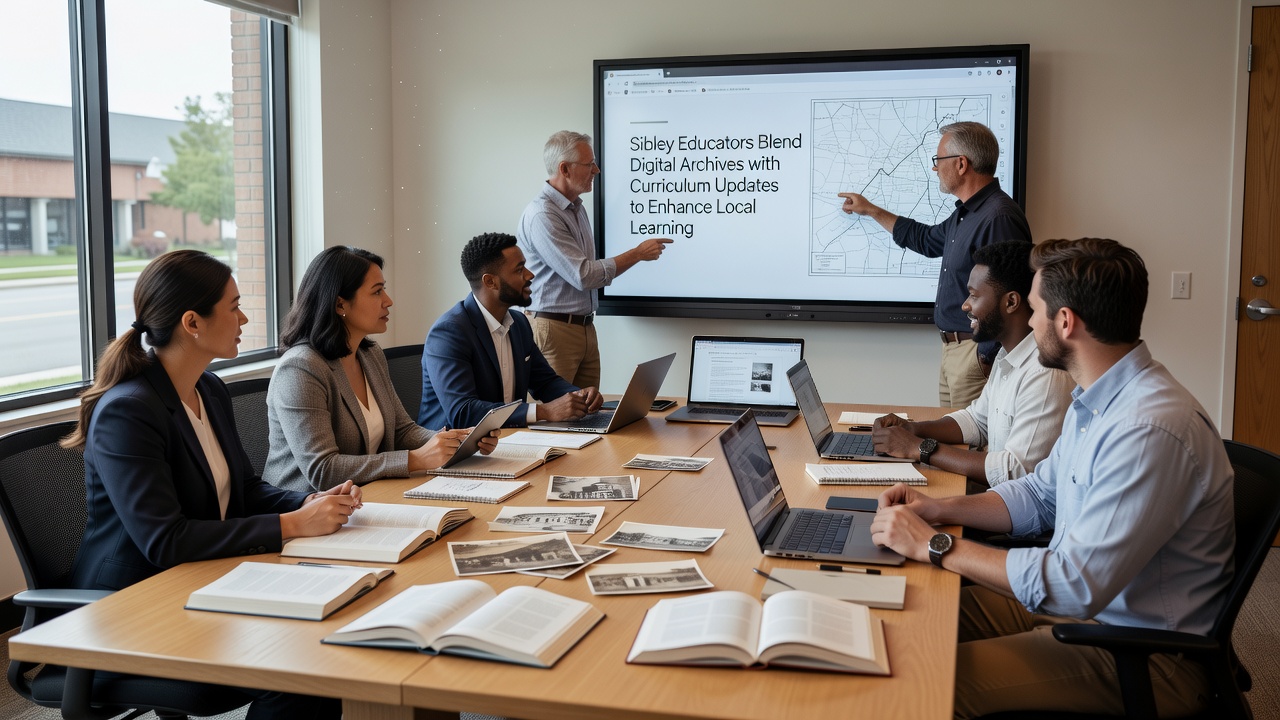
Grade-level teams meet weekly to share examples of successful archive use, and they track which documents generate the strongest student questions during discussions. Elementary classes begin with simplified image sets that introduce basic timeline concepts, whereas secondary levels advance to comparative analysis across multiple record types. Professional development credits are available for educators who complete modules on digital archive navigation and lesson design, which encourages broader participation across all schools in the district.
Technical support includes on-site visits from archive staff who assist with file formatting and search strategies, and this assistance has reduced downtime during class sessions. Data collected through learning management systems shows patterns in how often students access the shared archive portal outside school hours, which informs future expansion of mobile-friendly features.
Community Records Enhance Student Projects
End-of-term assignments now require students to reference at least one digitized local document in their presentations, and this requirement has led to projects that map historical property boundaries against current zoning maps. Collaboration with the town historical society supplies additional context for disputed or incomplete records, while maintaining strict adherence to verified facts. Researchers from nearby universities have contributed scanning equipment and metadata standards that align with international archive practices, including guidelines from the National Archives of Australia on long-term digital preservation.
Parent information nights scheduled for fall 2026 will demonstrate sample lessons so families understand how the archive integration fits within existing report card standards. Feedback forms distributed after these events help refine communication materials for the following semester.
Conclusion
The combination of digitized archives and curriculum updates continues to evolve as Sibley educators collect performance data and refine lesson sequences, with October 2026 serving as a key checkpoint for full district adoption. These efforts rely on sustained coordination between schools, archives, and technology providers to keep materials accessible and aligned with educational goals.